Menu Close

Alex in Motion

A journal of curiousity & travel

Kobe

Along the way from Hiroshima to Takayama (my next destination) is the town of Kobe. Made world famous for it’s beef, I was unable to find this precious delicacy outside of Kobe and really wanted to experience it from the source.

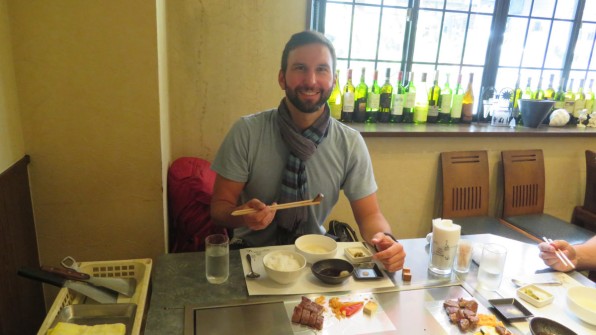
After researching for a highly rated restaurant close to the train station, I jumped into a taxi and arrived 9 minutes later. It was a family owned restaurant and the hostess – I’ll call her “the mama” – made me feel welcomed as if at home. There were a few other guests at the main table, two of which were from Switzerland who also came directly from the train station to taste the beef. We chatted and ended up sharing a taxi back to the station.

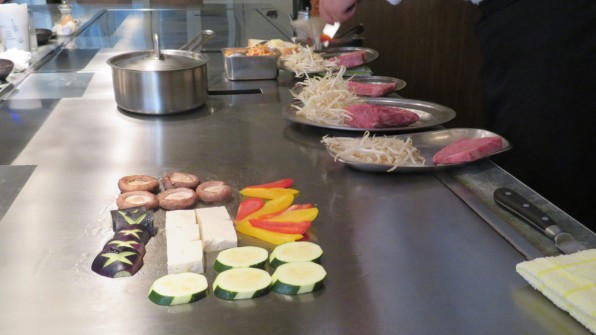
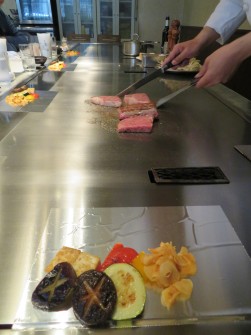
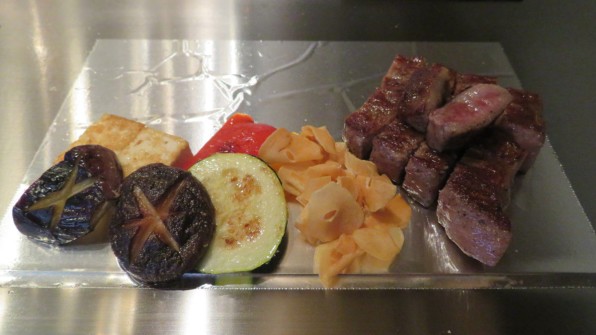
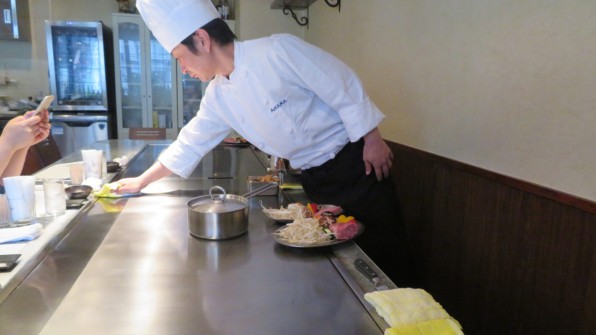
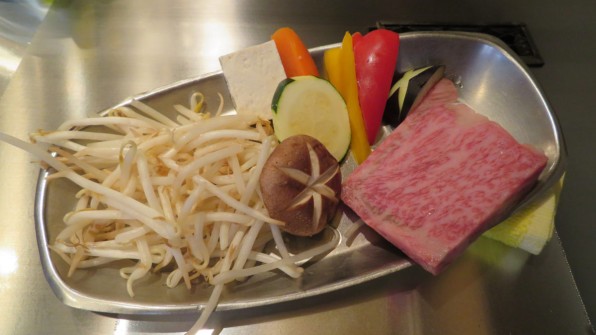
The table was a large cooking surface with aluminum sheets placed in front of each patron. The sheets served as plates. I ordered the lunch special, which was a 100 gram filet of Kobe beef along with miso soup, rice, mushrooms, cheese and some vegetables for 5100 Yen (approx $60 CAD or 40 EUR).

Despite popular folklore, the cattle used in Kobe beef are not fed beer or sake and are not massaged daily. In fact, to qualify as genuine Kobe beef, cattle must fulfill the following conditions:

  • Specific cattle born in a specific part of Japan
  • Farm fed in that specific part of Japan
  • A steer or a castrated bull
  • Processed at one of several specific slaughterhouses
  • High marbling ratio
  • High quality score

In addition, the cattle are fed on grain fodder and are brushed sometimes.

Watching the chef cook the beef and accompanying food was like observing a painter create a masterpiece. Each movement of his instrument was precise and efficient.

Despite the lack of beer intake, the result was the fattiest and tastiest meat I’ve ever savoured. It was so close to butter that I could have probably cut it with a fork.

The mama was very happy and proud to learn we came all this way just to taste her food, and as we rose to leave, she gave us a small parting gift. This rounded the overall experience to a perfect 10/10.
Hiroshima

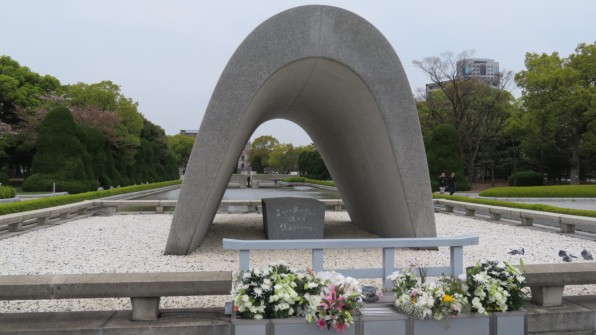
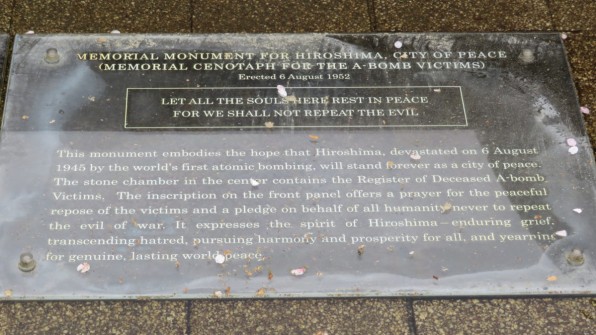
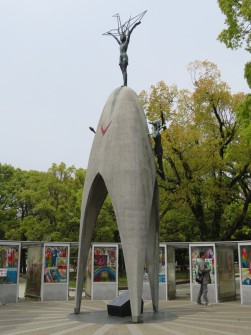
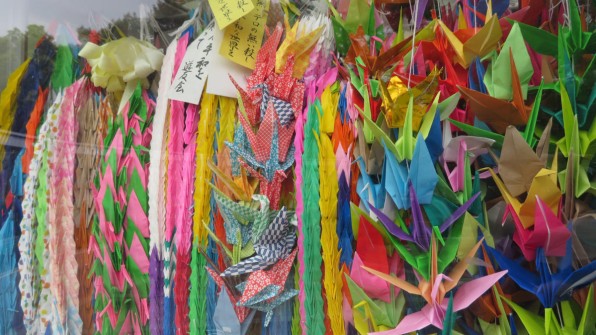
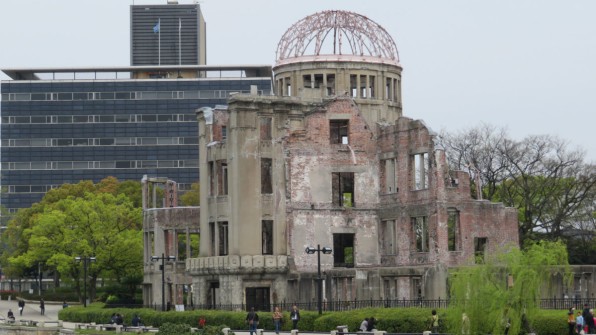
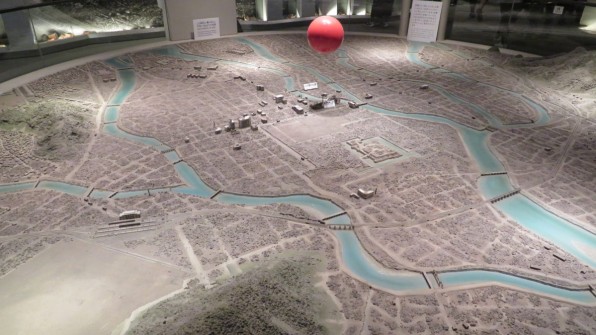
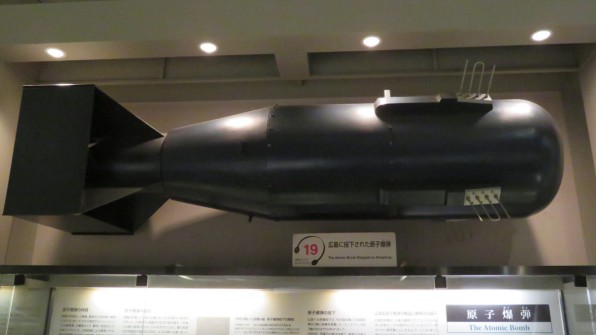
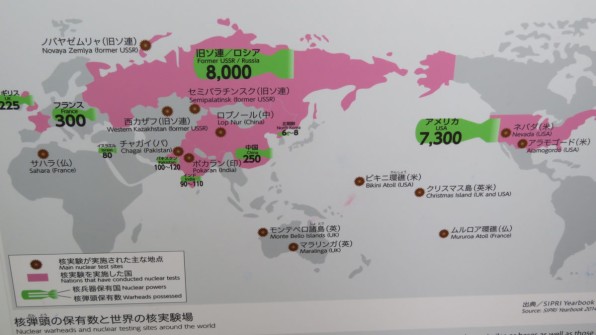
Hiroshima is best known as the first city in history to be targeted by a nuclear weapon when the USA dropped an atomic bomb on August 6, 1945. The bomb was developed as part of the infamous Manhattan Project. Shortly thereafter, Japan surrendered to the Allied Forces and today the city is informally known as the “City of Peace”.

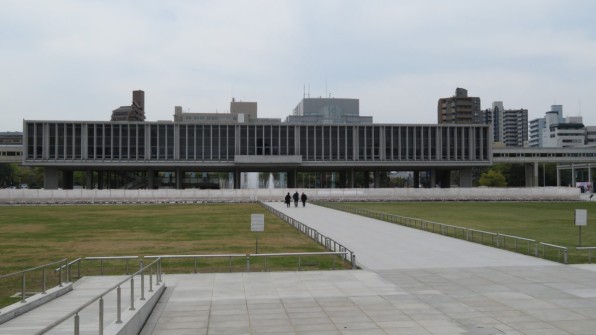
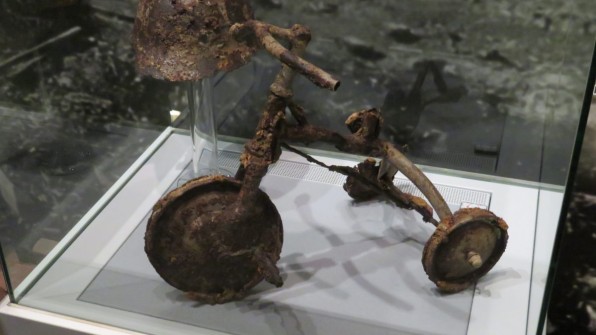
Approximately 130,000 people, including women and children, were either instantly killed or severally injured. Tens of thousands were burned or genetically modified (and not the kind that gives you super powers). A stroll through the war museum presented the event’s history in painful detail, with vivid pictures, survivor video testimonials, personal belongings from victims and bomb details. The horrific and depressing experience reminded me of a previous visit to Auschwitz.

The one question the museum didn’t answer was, “Why was Hiroshima bombed?” According to my research, the two main reasons where

  1. Hiroshima had not been previously bombed, and due to the size and shape of the city, it was well suited to ascertaining the effects of the A-bomb
  2. It had a high concentration of troops, military facilities and factories that had not been significantly damaged

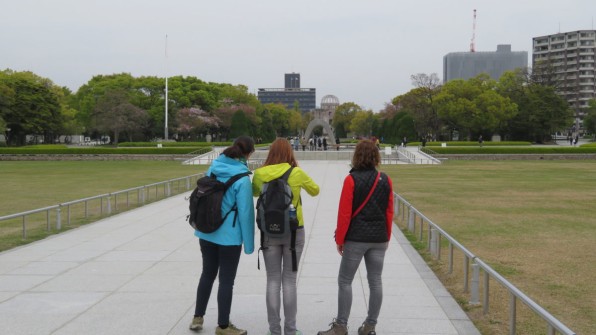
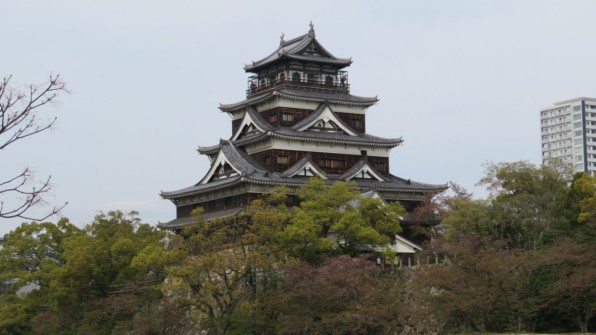
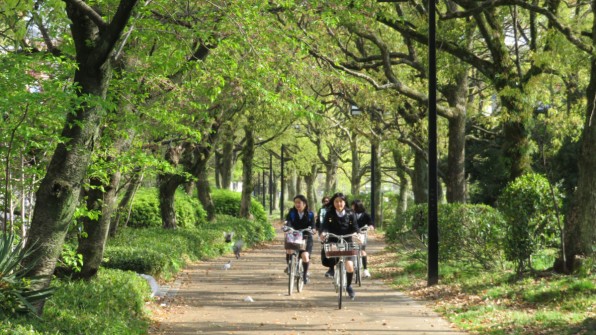
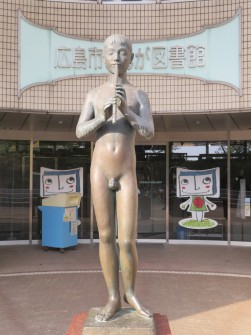
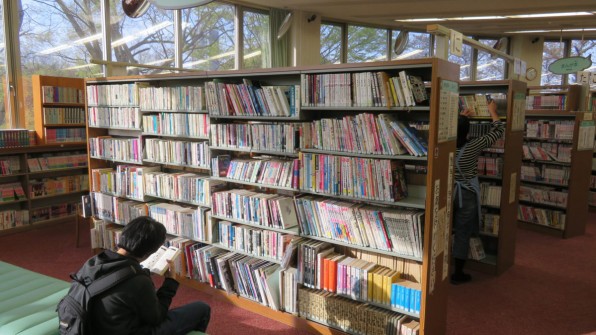
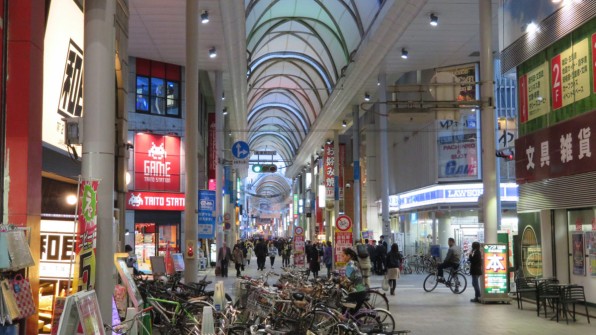
After the museum, we needed some light-hearted amusement, and walked for hours while visiting the local castle, some lovely parks, and the manga library. It was a picture perfect day and the girls and I cracked jokes at each other.

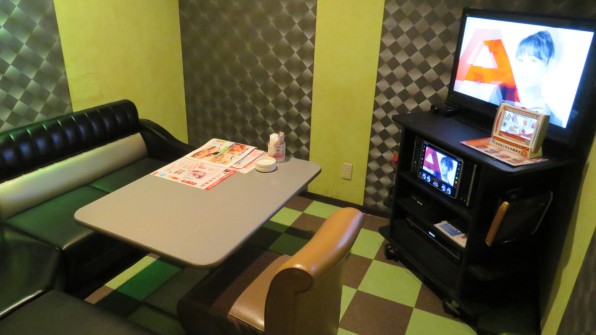
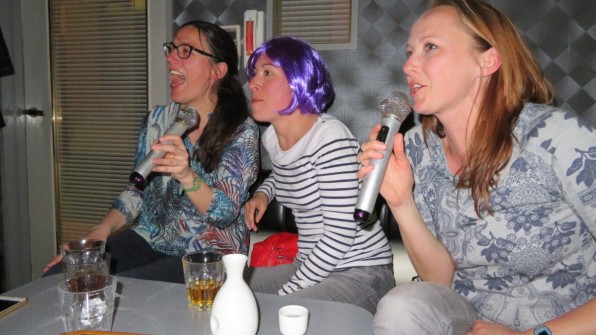
That evening we went to a Karaoke bar and chose the all-you-can-drink option. The bar had dozens of private rooms with a television, touch-screen remote, two microphones and some couches. Since nearly everything was in Japanese, the helpful staff showed us how to use everything and most importantly, how to order drinks.

Among all the songs song for the next 3 hours, the most enjoyable were

Although none of us were great singers, we thorough enjoyed the experience. I ended up drinking way too much (8 rounds of double Whiskey) and stumbled home in a drunken stupor. It was the first time on this journey that I allowed myself to become completely inebriated, as the country’s reputation for safety is well founded.

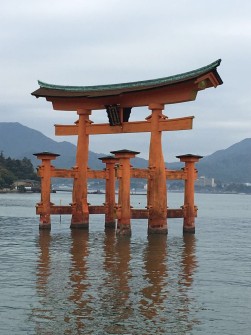
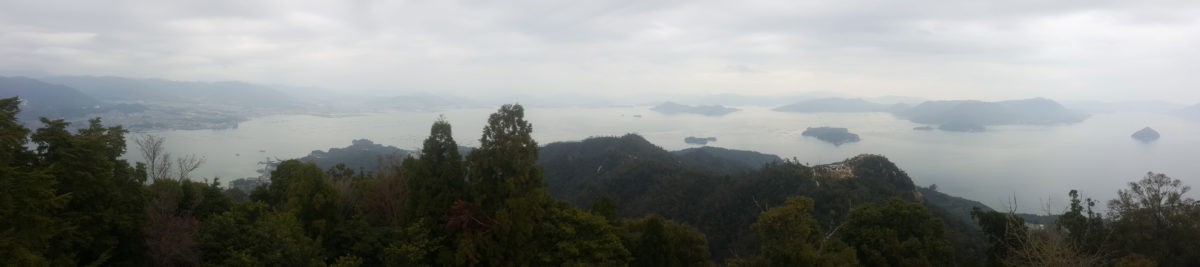
Early next morning, and despite a huge hangover, I managed to join the girls to a nearby Itsukushima island and trekked for several hours up Mount Misen. Accordingly to my Polish buddy, Subway Stef, there’s nothing that cures a hangover faster than a sweaty climb. He was right, and the views from the top of the mountain were worth the nausea.

Himeji

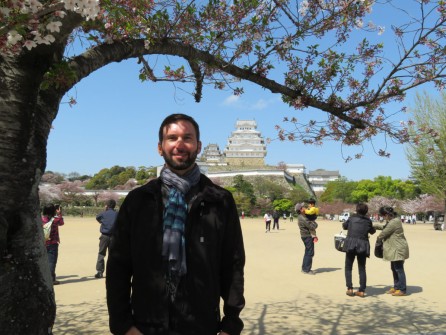
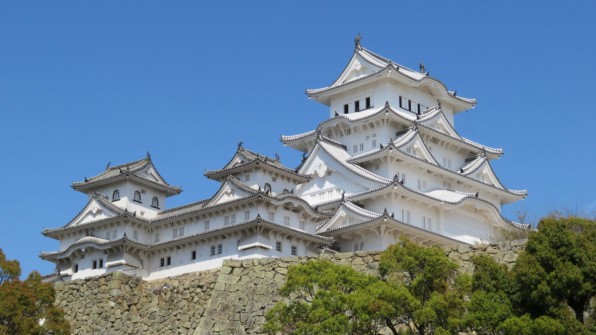
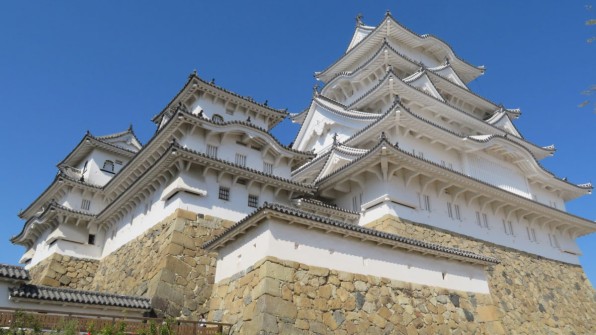
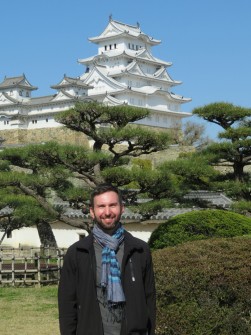
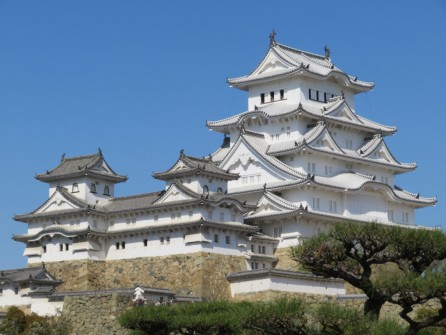
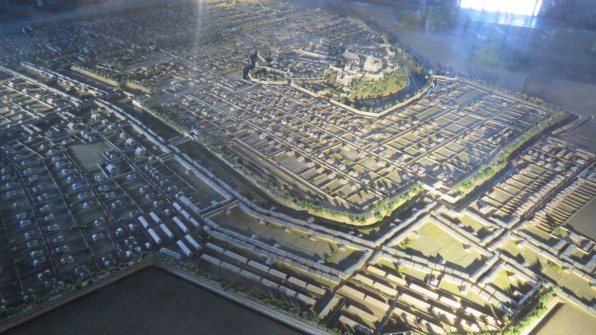
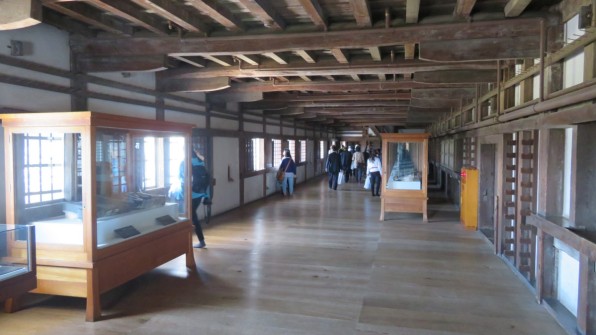
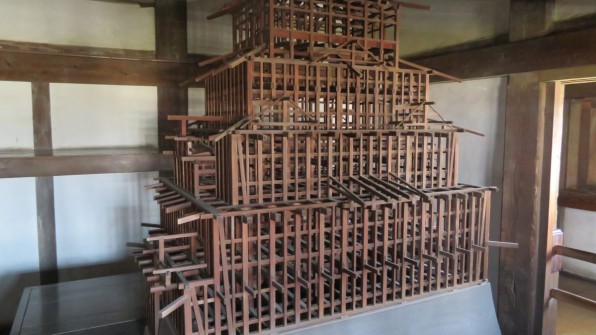
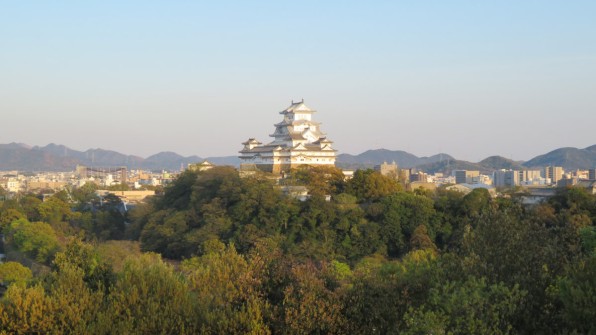
The most famous attraction in Himeji is the castle. Originally built in 1333, it’s a World Heritage Site and the largest and most visited castle in Japan. It was recently restored, and the castle itself and surrounding area were extremely impressive to view from any angle. The castle’s outside is simply stunning, dressed in brilliant white plaster with white roofs, supposedly to resemble a bird taking flight. The inside however, was very plain. It lacked decorative furniture, and pretty much any indication of what life was like.

Along the way to Himeji, I met three girls from Paris; Anne, Diane and Noemie. They also spent the previous day in Koya-san, and were following the same route for the next few days. After chatting for a while on the train, we decided to spend those days together. I welcomed their company, and enjoyed practicing my French over great conversations.

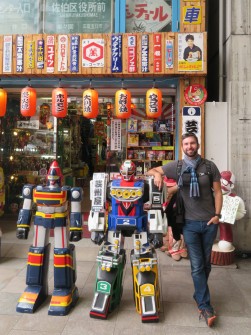
We also shared our impressions and pictures of Japanese culture and things found only in Japan. Here are more observations on this interesting country:

  • Food options are varied, allowing you to discover tastes beyond strictly Japanese food. After sushi, ramen noodles and rice dishes, variations of burgers, Korean and Italian food are thoroughly enjoyable.
  • To keep eating expenses low, you can pass by a convenience store (the most popular are 7-11’s and Lawson), and pickup a ready-to-eat meal, which tastes surprisingly decent. Complimented with cafes for snacks and more upscale places for dinner, you can sample a bit of everything and still have pocket change.
  • Paper money is always new. It’s like they constantly print new bills, so you never see older wrinkled ones.
  • Nearly all restaurants play jazz music. I actually never paid attention to this until Anne pointed it out. From that point onward, we smirked as almost all places, from burger joints to classy steakhouses, played blues and/or jazz.
  • The one thing that confused us was public smoking. It’s the only exception to a clean and efficiently run country. You cannot smoke while walking, so there are designated outdoor areas to smoke. But most restaurants and virtually all bars and pubs allow smoking. It’s annoying to be in a restaurant and have someone pollute the air, your clothes and your hair. I heard the government is slowly attempting to outlaw smoking in all public spaces, but until then, I’ve been avoiding many places.

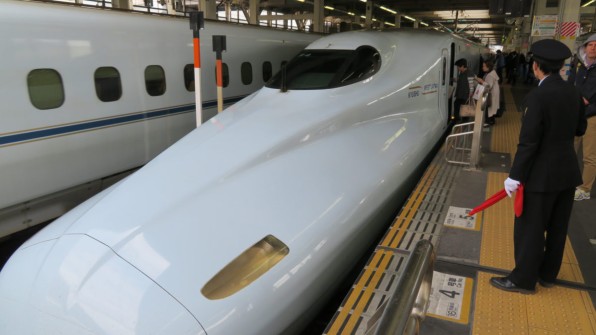
Today was also the first day traveling by express train, also known as the bullet train. My GPS speed application tracked us moving at 300 km/h, yet the ride was impeccably smooth.

Newer Posts
Older Posts