Menu Close

Alex in Motion

A journal of curiousity & travel

Mendoza

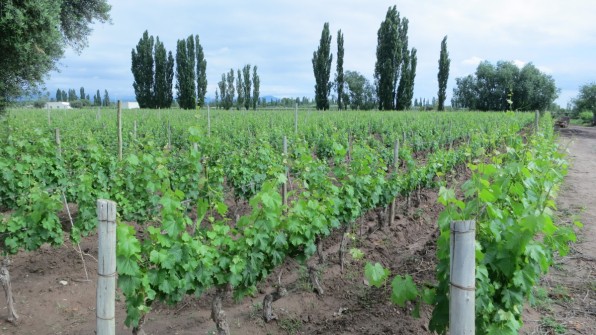
Located in the western region of Argentina, the town of Mendoza is primarily known for producing wine from the Malbec grape. This grape originated in France, and although it doesn’t result in a very good wine there, it strives in Argentina.

Wine Tour

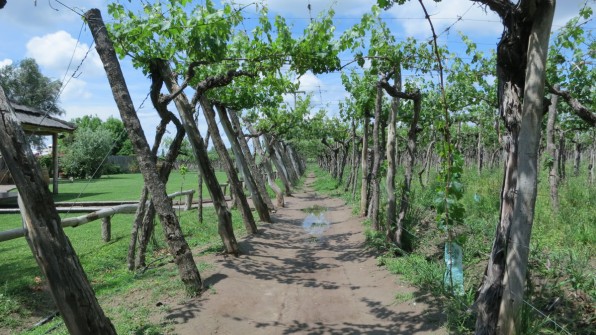
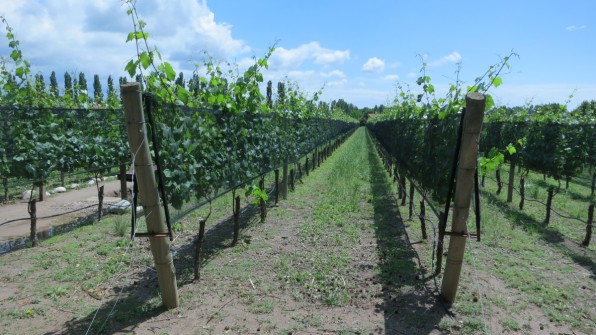
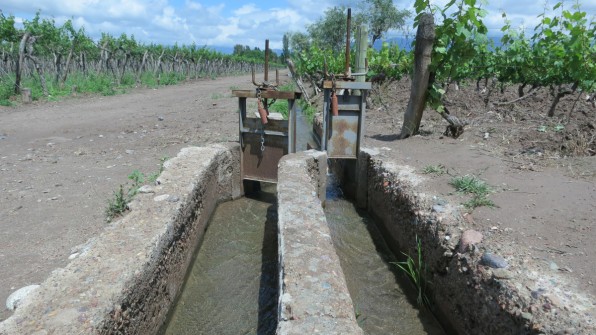
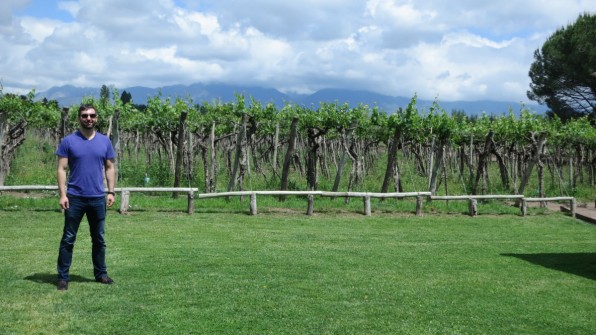
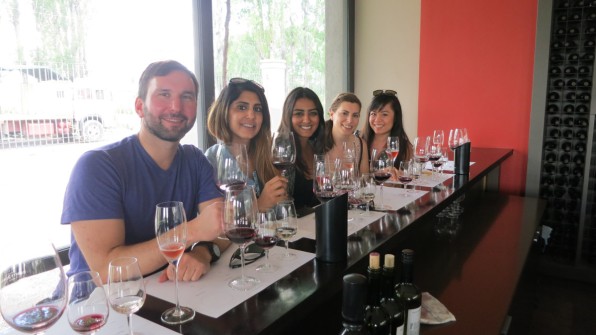
With approximately 2,000 vineyards in and around Mendoza, it comes to no surprise the principle tourist attraction is wine tours. One of the best-rated tour operator is Ampora Wine Tours, and along with 4 fellow Canadians, I visited 4 vineyards.

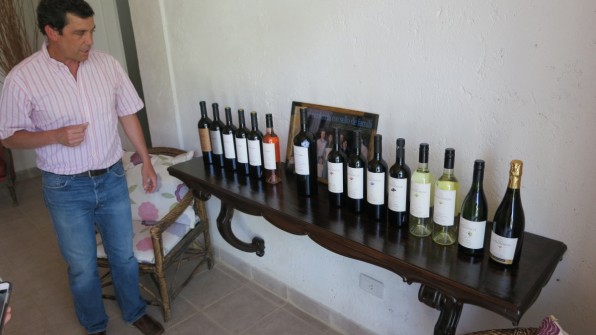
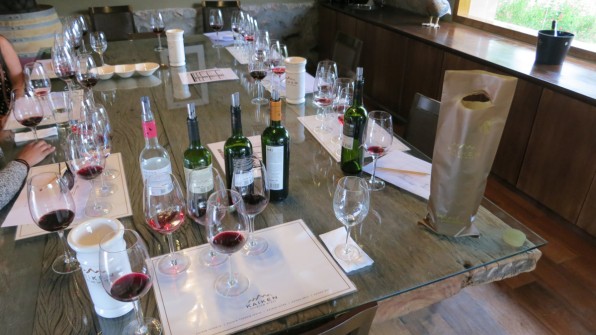
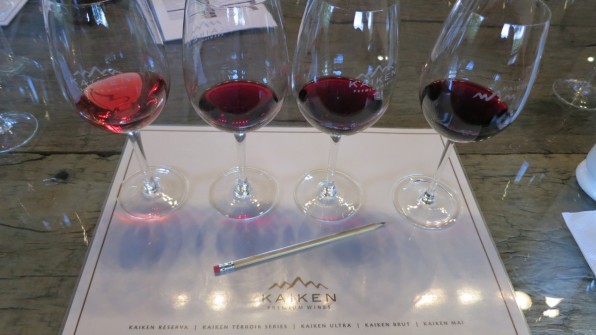
The 1st was a lovely family vineyard, where the owner himself gave a tour of his grounds. His most prized wine was named after his mother, with a flower on the label because his mom loves flowers. We sampled 4 wines, each other better than the last.

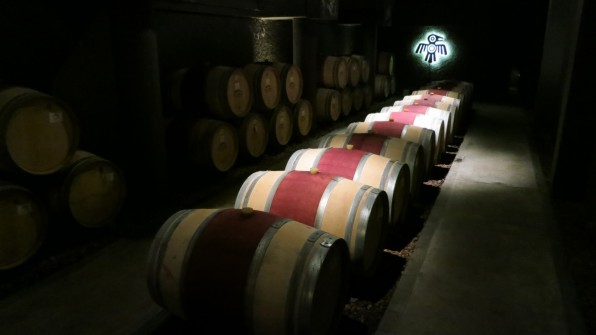
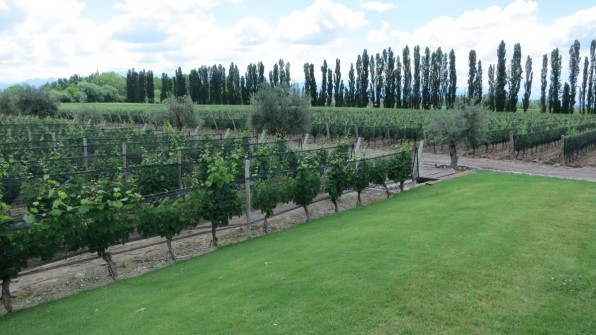
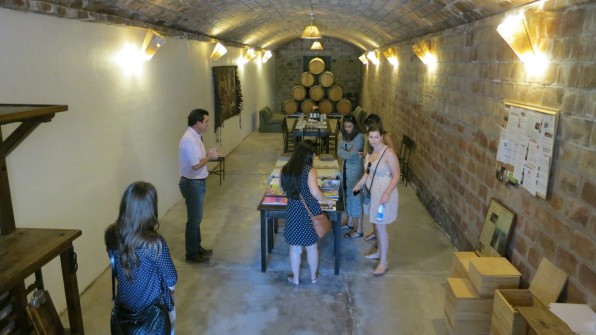
The 2nd was quite upscale, with wonderful views of the Andes in the distance. As part of the production process, the wine rested for several months in a cool cellar, while Gregorian chants were played. The owners believed the chants added vibration energy to the wine, and although I’m not sure how that works, the wine was certainly delicious. To point, all of us purchased at least one bottle, with one girl buying 6.

All of us were inebriated by the end of the 2nd vineyard, so we barely savoured anything from the 3rd. Not to mention the serving lady was curt and dismissive. It was the least memorable experience.

The last was not much of a tour per se, but we had wine pairing with a delicious four course meal. The main course was, unsurprisingly, beef, and it came from a very happy cow. The elegant dining room had floor to ceiling windows on 3 sides, which opened to the grape vines.
Paragliding

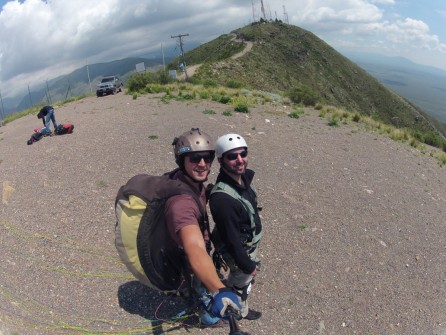
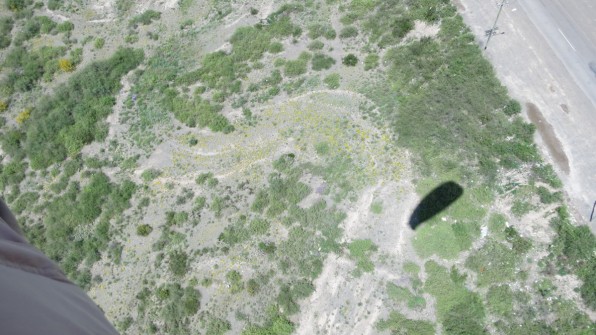
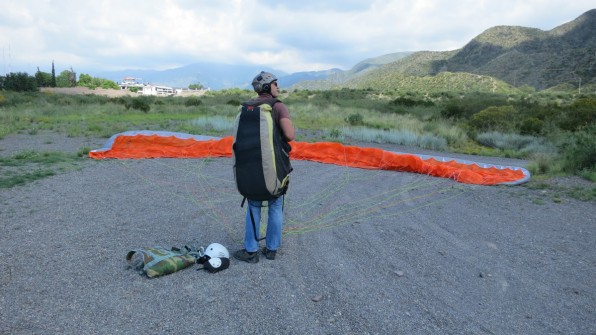
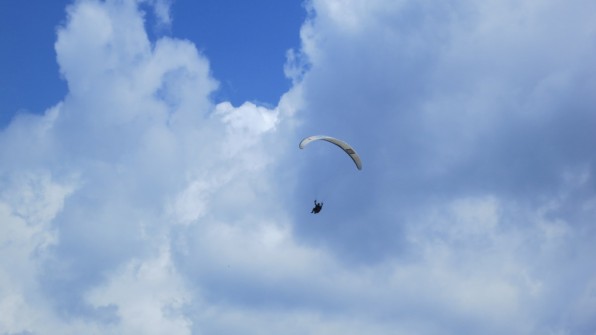
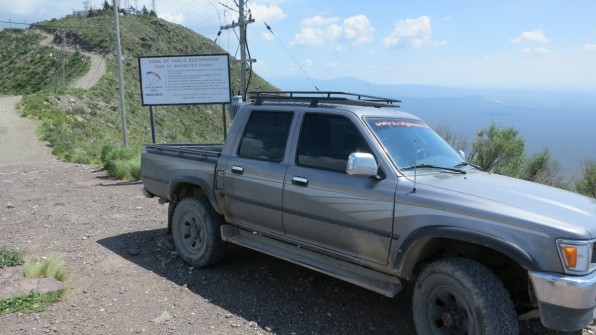
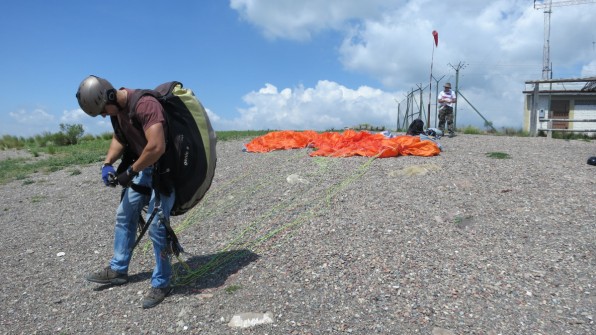
Aside from wine tours, another popular activity is paragliding. With a small agency, and me as the only guest, we drove to the top of a small Andes mountain. It was a tandem jump, so after being strapped to a huge fellow, the guide told me to run off the mountain and try not to throw up on the way down. Not concerned about guiding the parachute allowed me to enjoy the tundra-like peaks of the Andes and the desert-like flats of Mendoza. About 20 minutes of airtime on a picture perfect day.
Mendoza in general

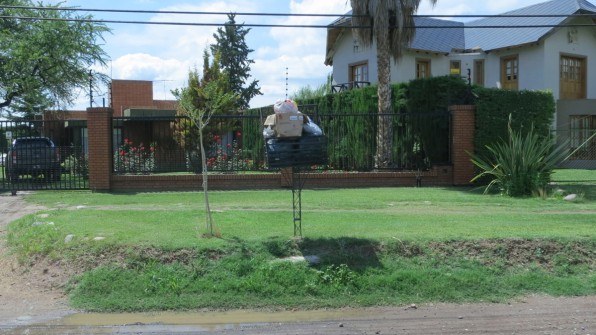
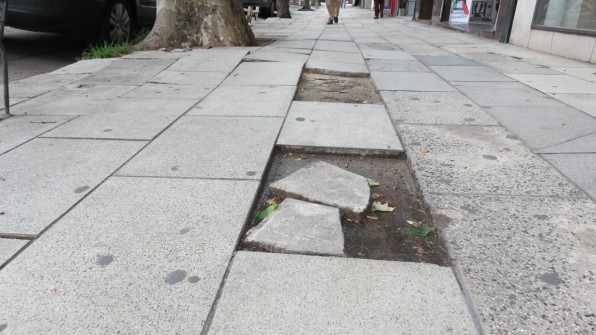
In the city, garbage is placed in elevated bins. The reason is to prevent the wild dogs attacking and scattering it across the neighbourhood. Do you know what wild dogs mean? That’s right: wild dog poop! When meandering around the city, not only did you need take care of the uneven sidewalks and payments, you also had to dodge wild dog poop.

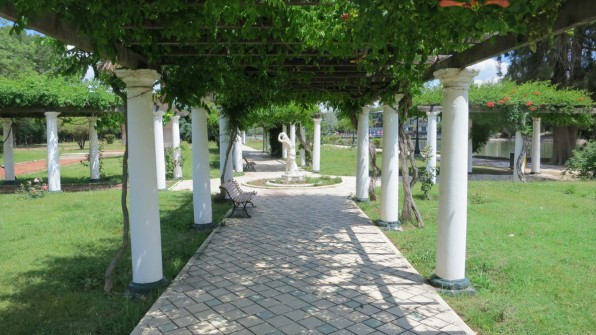
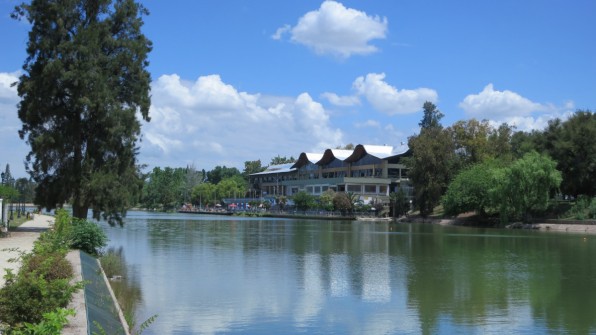
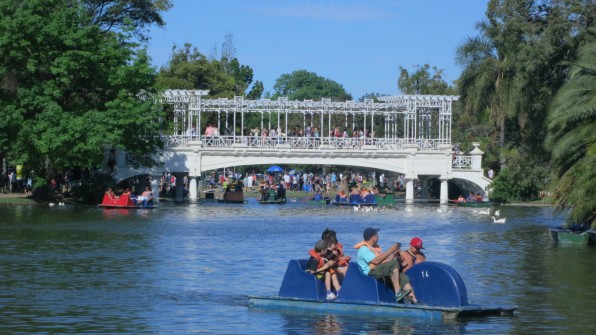
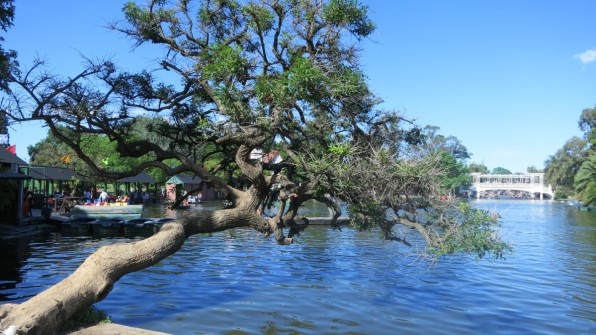
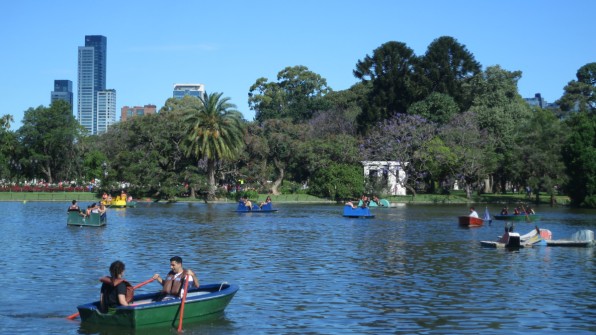
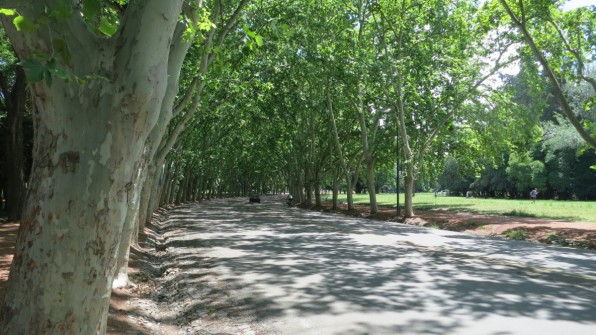
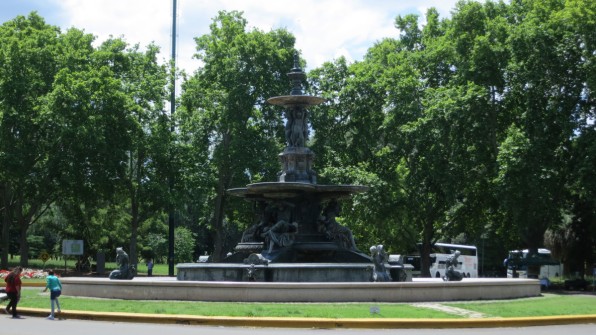
The place I stayed was close to the city park, and lovely greenery circling a small man-made lake. I spent many hours on a park bench, watching people run or paddle by, listening to the birds chirping, or the musician playing, and reading my book about rabbits.
Iguazu Falls

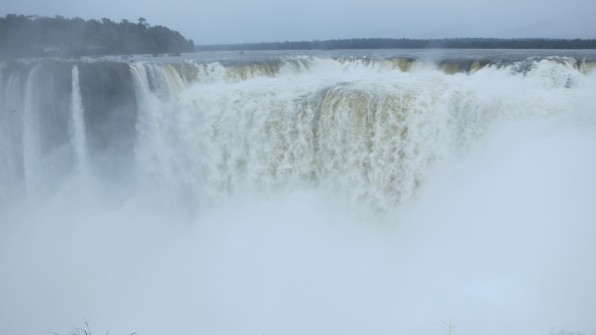
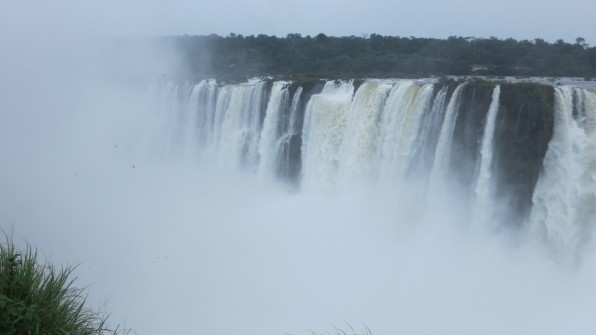
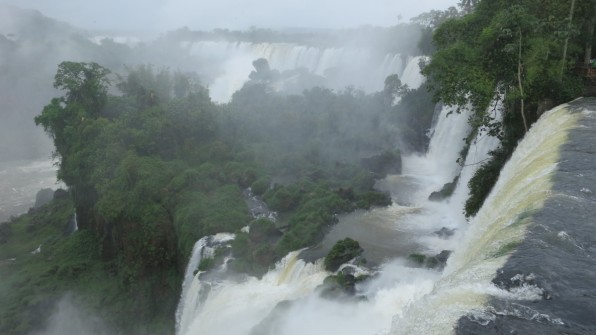
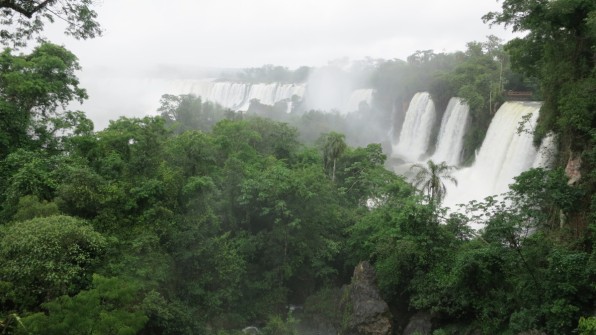
Wider than Niagara Falls, Iguazu Falls is consistently rated among the top 5 most beautiful waterfalls in the world.

I stayed in the cozy town a few kilometers from the falls, and met a kind doctor named Ash from Calgary on the bus ride from the airport to the hostel. We spent the next couple of days together, starting with the falls.

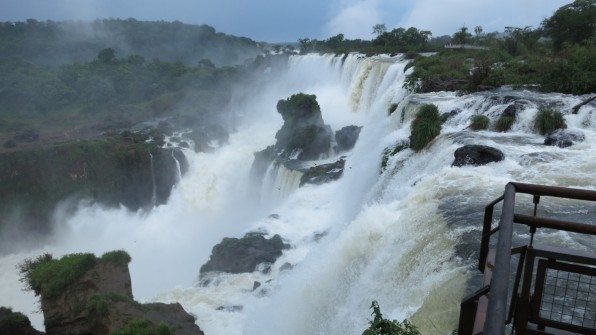
You can visit the falls from two countries: the Brazilian side and the Argentinian side.  The former is physically further from the falls, but offers panoramic views found in most postcards, while the latter is  up close and personal. Logistically, it was easier to stay in Argentina and most people recommended the Argentinian side.

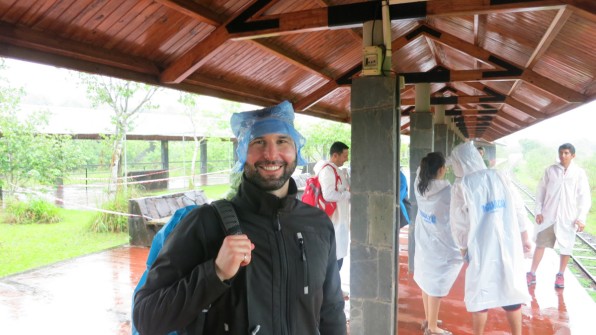
A soft rain welcomed the afternoon, which discouraged many people from visiting, so we pretty much had the place to ourselves. No lines, no waiting.  Booyah.

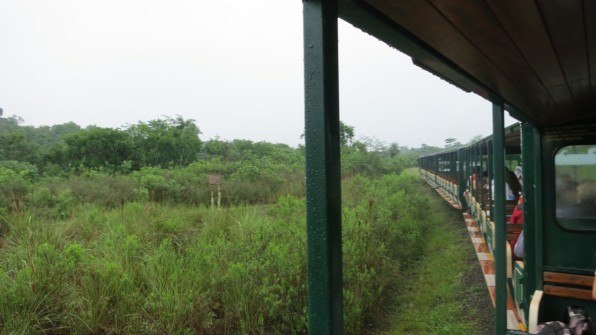
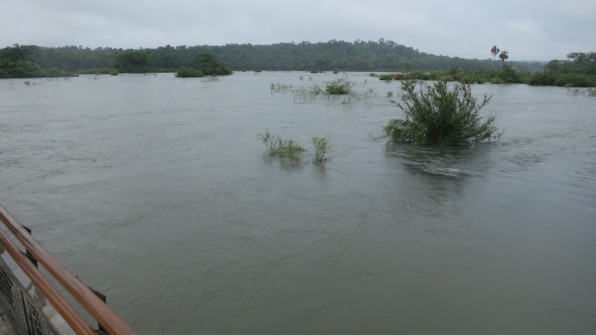
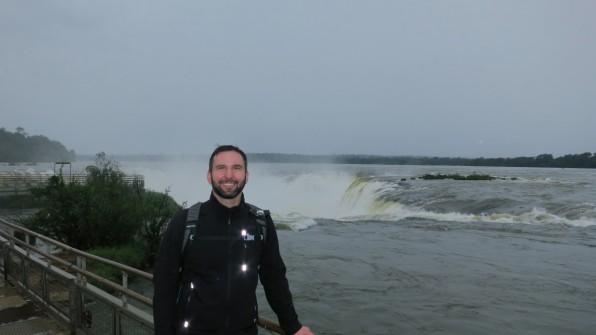
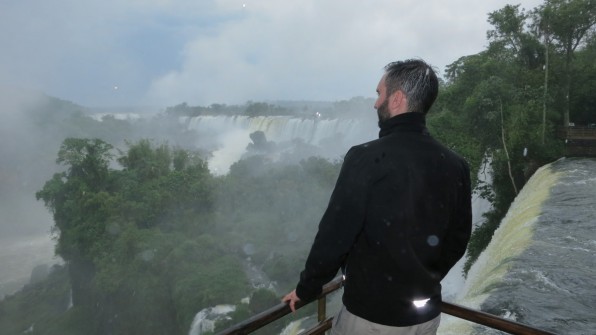
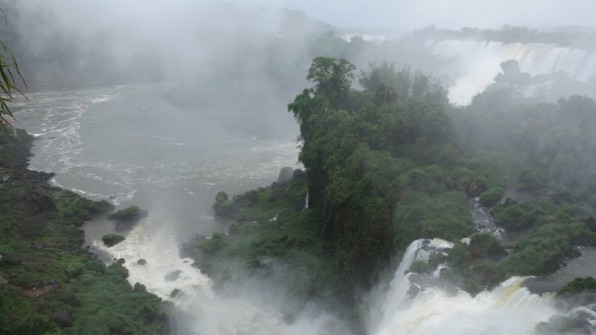
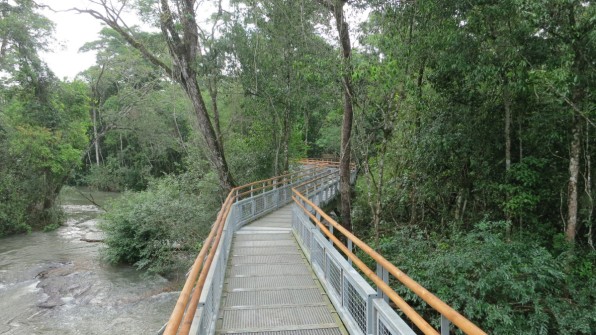
There are four walking trails to view the falls from different angles, and Ash and I decided to visit the top two. The first path, which was definitely the best, had dramatic views of the falls. The second path was a longer walk, with near-equally breathtaking views. At this point, the rain tapered and the sun poked through the clouds, resulting in a perfect late afternoon.

In the evening, Ash and I met V at the hostel, a cool and laid-back guy from outside Los Angeles. The three of us feasted on steak and homemade pasta that night, looking up at the stars and listening to an acoustical guitarist singing in English, Spanish and Portuguese. Tough life 🙂

Iguazu is a small sleepy town, so the time spent here allowed me to slow down life’s pace. I’m still getting used to walking slower, eating slower and talking slower, but years of bad habits are hard to let go of.

Buenos Aires

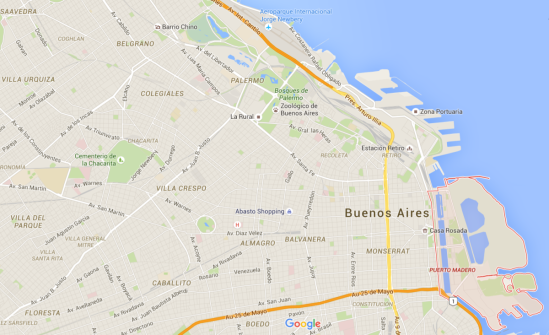
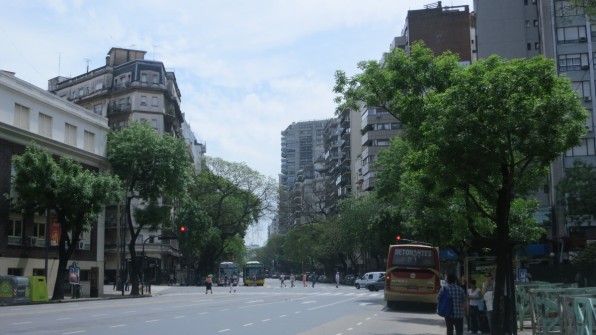
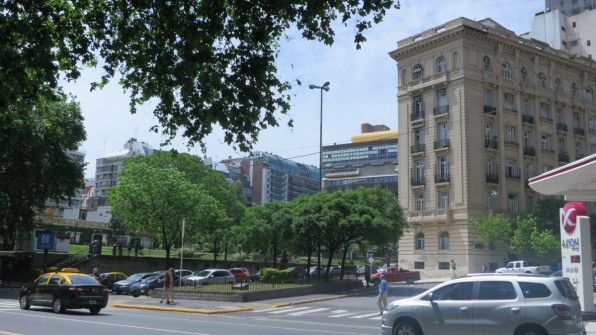
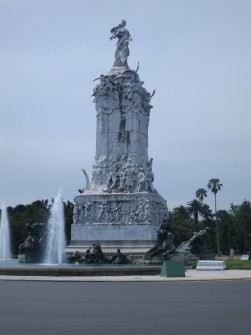
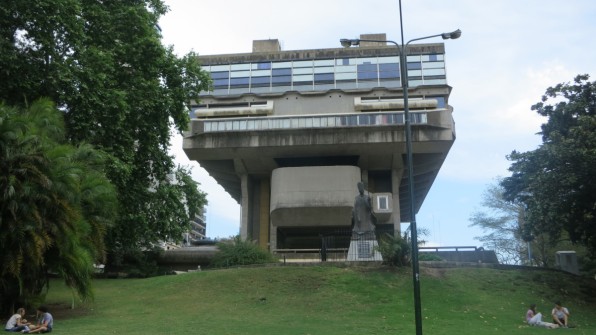
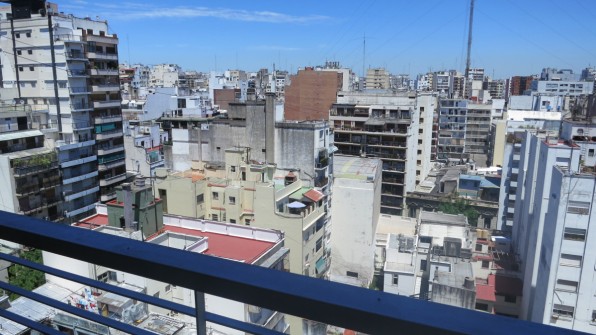
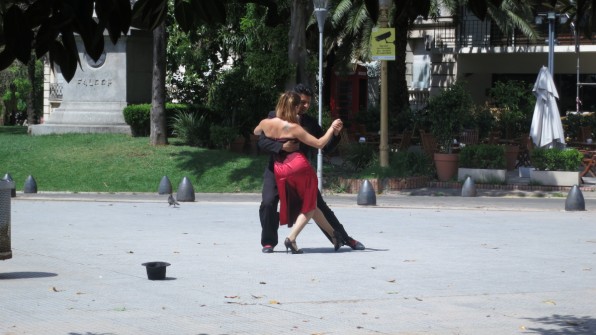
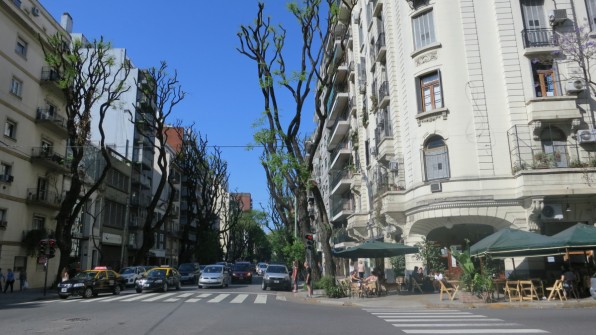
After walking around Buenos Aires for several days, the city reminds me of a blend between Paris, NYC and Chicago. There are many districts, and you can easily spent long days exploring each one. Being there for a week, I only had a chance to visit the following:

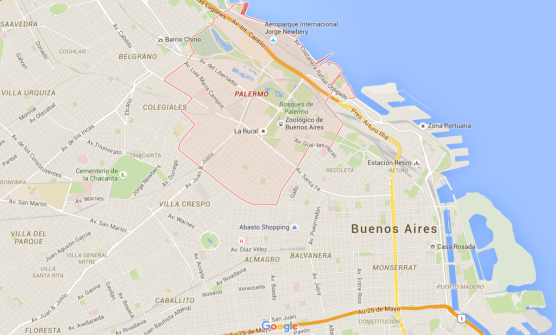
Palermo

This neighbourhood is subdivided into smaller cartiers:

Palermo Soho

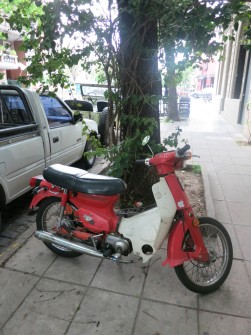
Feels very much like SoHo in NYC, and this is where I’d live if I ever moved here. Lots of local shops, cafes, artists, with large sidewalks and cobblestone streets.
Palermo Hollywood

Similar to Palermo Soho, only more restaurants and lounges; great for dinner and after dinner drinks.

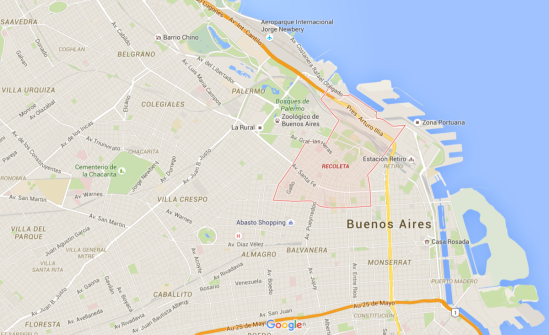
Recoleta

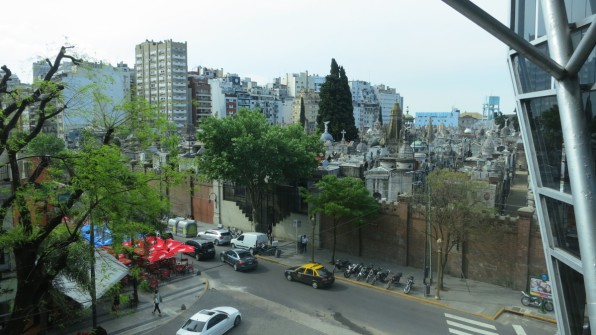
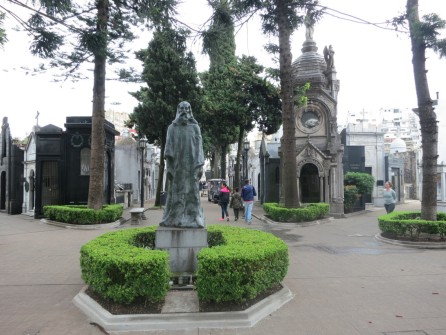
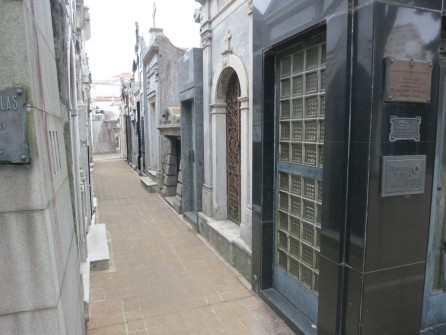
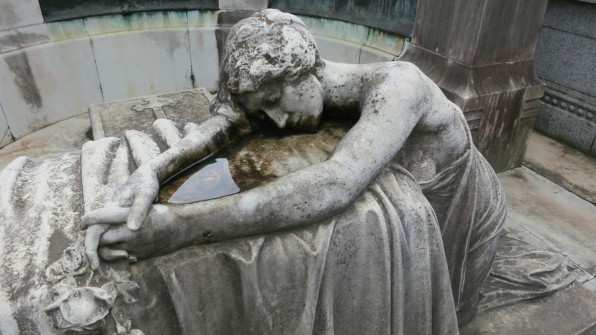
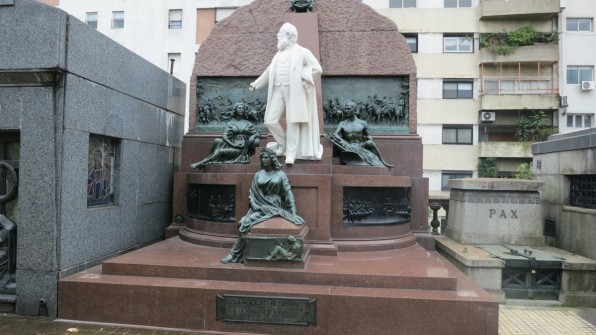
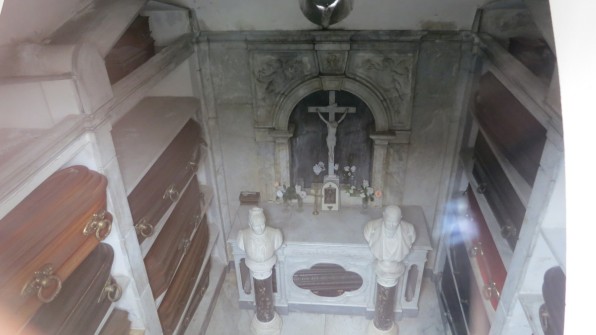
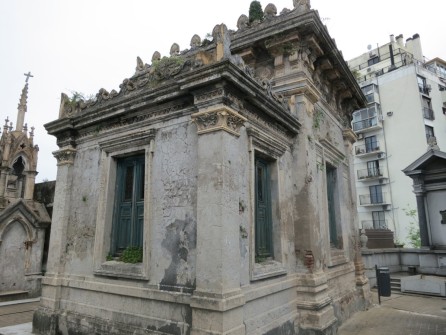
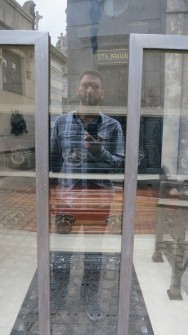
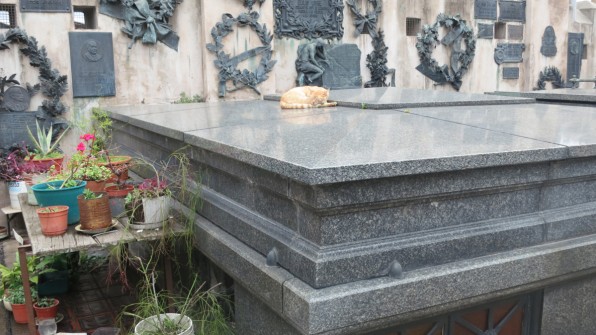
The richest neighbourhood, with high-end shopping and boutique hotels. One of the biggest tourist attractions of the entire city is here, the cemetery. It feels like a small village, with alleyways and intersections, with some mausoleums big enough you could live in them. Seriously big, and filled with lots of historical people.
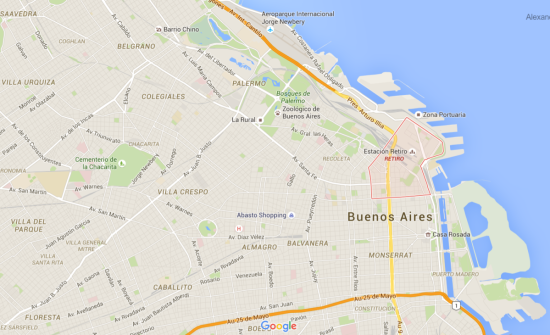
Retiro/City centre

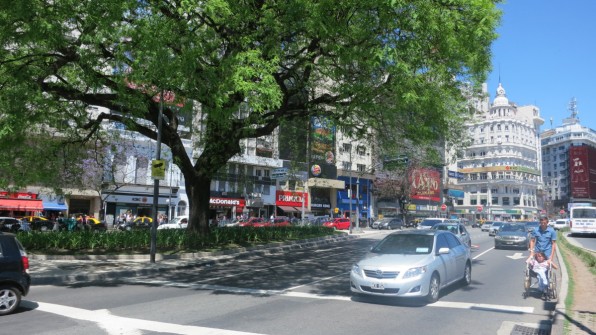
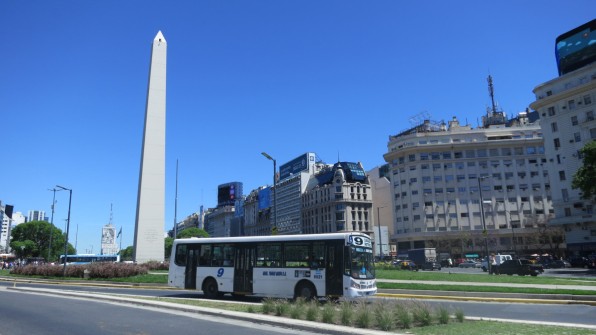
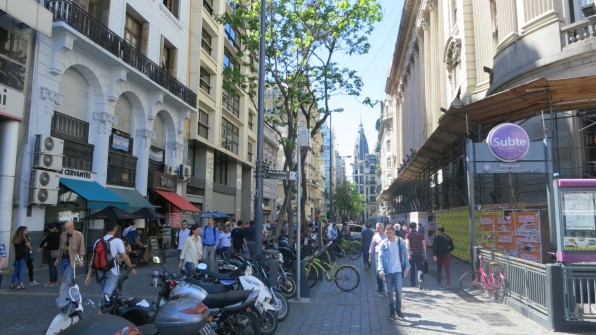
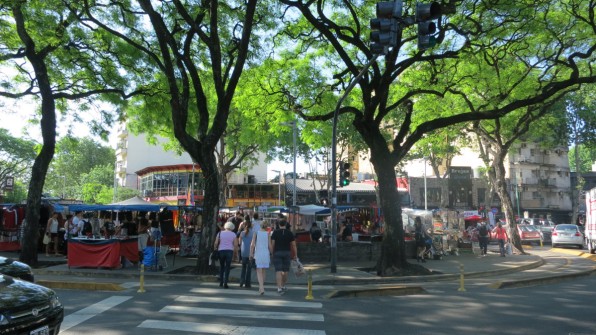
What you would expect from the centre; loud, lots of movement, everything for sale. Lots of great people watching!

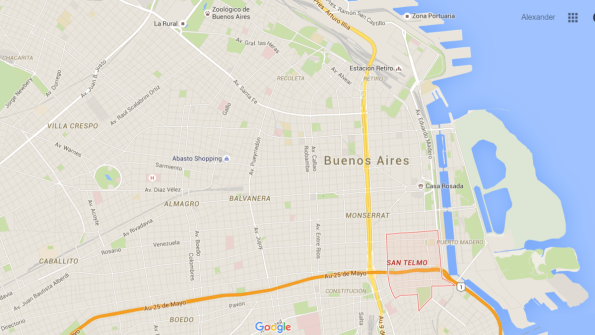
San Telmo

The oldest district of the city, which has a wonderful authentic feel. Antique shops are abound.

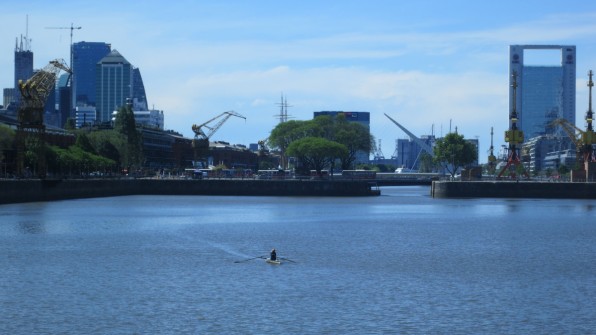
Puerto Madero

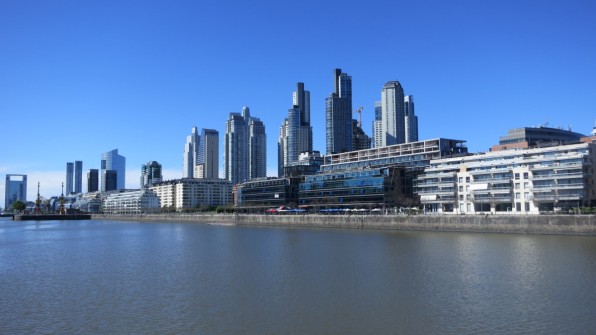
Very modern and cold. Although the modern architecture is beautiful, the skyscrapers lack the warmth and charm found in the rest of the city.

Buenos Aires is also known for speakeasy types of bars, and I visited two:

  1. Floreria Atlantico: on the street level, all you see is a wine and flower shop with a large freezer door. Speaking the ultra-secret password at the entrance, “uh, am I at the right place?” allows you to open the freezer door, which reveals stairs down to the basement. There you’ll find a wonderful bar and restaurant, where mixologists create concoctions using homemade gin and vodka. Great steak too.
  2. Victoria Brown Bar: upon first glance, all you see are four small coffee tables and a mini-bar. When I arrived, it was vacant. In conversing with the doorman, an Argentinian fellow with a wonderful British accent, he grinned and said, “You haven’t entered yet”. Pushing the back wall opens a secret door, which leads to a dimly lit corridor ending with a dark velvet curtain. Past the curtain is the actual bar, a large area with a slight steam-punk feel. Lighting comes from copper tubing that winds along the ceiling and a huge clock with extra dials displays the time. The cocktail list is nearly endless, and the ambiance is friendly.

The best way to explore the city is definitely by foot, but I also took the subway whenever possible. Taxis are relatively expensive, and the starting fare differs depending on your starting neighbourhood. Buses are a great low cost option, but with crowds, personally it wasn’t for my taste.

A week in Buenos Aires is certainly not enough, and I could easily spend another week discovering the city, especially with so many referrals from locals and other travelers:

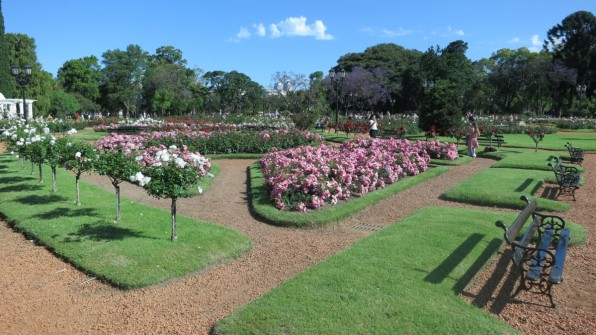
What I loved the most was simply exploring the city by foot, taking my time to smell the roses, and contemplating my new way of life.

Newer Posts
Older Posts